
FCC Revises EMC Rules for LED Displays
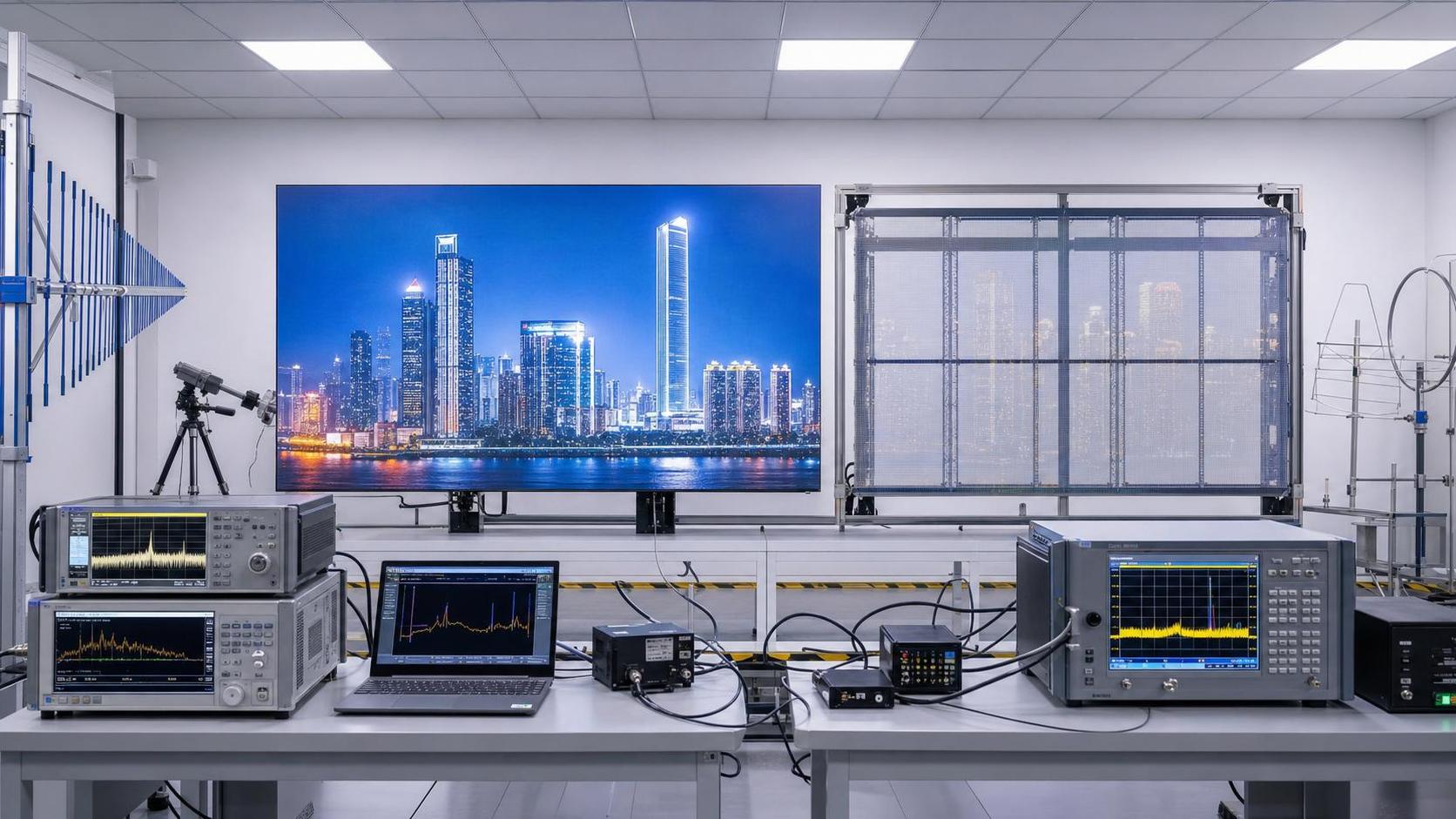
On July 18, 2026, the U.S. Federal Communications Commission released an updated compliance notice for LED video walls and digital signage, revising EMC radiated emission limits and test methods and adding near-field scanning requirements for high-density Mini-LED and transparent LED screens. With mandatory implementation starting on September 15, 2026, and a transition window for previously certified products until March 2027, this update is worth close attention from LED display exporters, manufacturers, testing partners, and buyers involved in U.S.-bound projects because it may affect compliance planning, testing schedules, and certification costs.
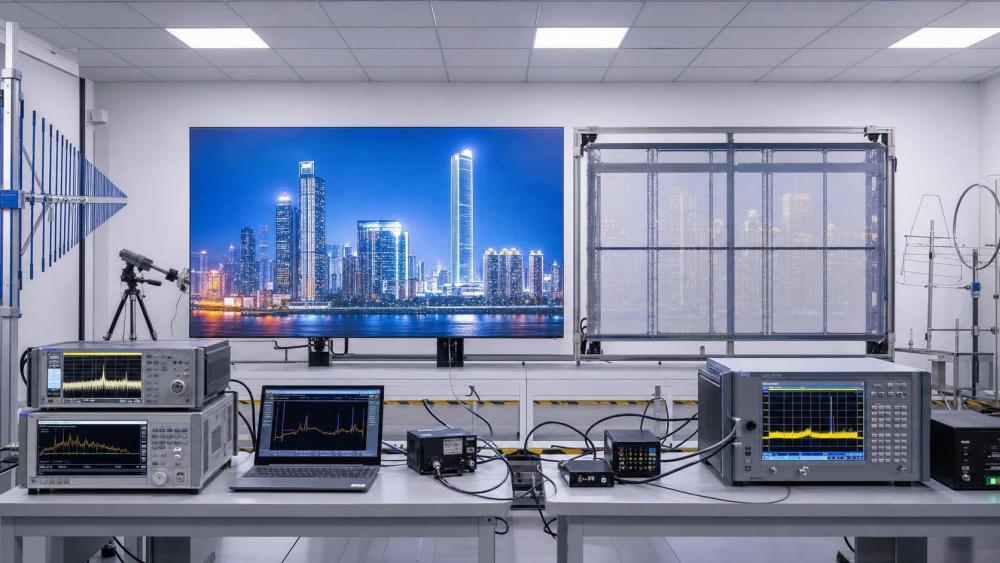
What the FCC update confirms
The confirmed change is tied to FCC KDB 849352 D03 v1.2, issued on July 18, 2026. According to the provided information, the document updates EMC radiated emission limits and testing methods for LED video wall and digital signage equipment. It also introduces a new near-field scanning requirement for high-density Mini-LED and transparent LED display products.
The effective date is September 15, 2026. From that date, all new certification applications must comply with the updated rule set. Products that have already obtained certification are allowed a transition period until March 2027.
The provided summary also makes clear that the change directly affects the U.S. compliance route, testing cycle, and certification cost structure for Chinese exporters of LED display equipment.
Where the pressure is likely to appear first
Export-facing product suppliers
From an industry perspective, companies shipping LED display equipment to the U.S. are likely to feel the impact first because certification timing is directly tied to market access. The immediate pressure point is not only whether a product can be tested under the new method, but also whether certification planning for new applications remains aligned with customer delivery expectations after September 15, 2026.
Manufacturers working on advanced display formats
Observably, suppliers of high-density Mini-LED and transparent LED products should pay particular attention because these categories are specifically referenced in the update through the new near-field scanning requirement. The operational impact may center on product validation, pre-certification preparation, and coordination with laboratories or compliance service providers.
Testing and certification service participants
Analysis shows that laboratories, certification consultants, and related service providers may face workflow changes because revised limits and methods usually alter how test preparation and documentation are handled. Even without adding assumptions beyond the provided facts, it is reasonable to note that any change in method can influence scheduling, communication, and the pace of certification processing.
Procurement and project-side buyers
Buyers, importers, and project operators connected to LED video walls or digital signage may also need to watch the transition dates closely. Their exposure lies mainly in delivery planning, acceptance timelines, and supplier coordination, especially where new applications and previously certified products may be handled under different timing rules during the transition period.
Practical issues companies should track now
Separate new applications from transition-period products
What deserves closer attention is the distinction between products that will enter certification after September 15, 2026 and products that already hold approval and can continue under the transition arrangement until March 2027. For exporters and channel partners, this is a practical classification issue that can affect quotation, shipping plans, and customer communication.
Review which product lines fall into the new test focus
Companies should identify whether their portfolio includes high-density Mini-LED or transparent LED screens, since those categories are specifically named in the update. The key point is not to assume that all LED display products face the same degree of adjustment, but to check where the new near-field scanning requirement is most relevant in actual certification work.
Prepare for changes in test lead time and cost exposure
Analysis shows that the provided summary already flags testing cycle and certification cost as affected areas. Businesses should therefore focus on internal planning: whether existing launch schedules, export commitments, and customer milestones still match the updated compliance path for U.S.-bound products.
Keep documentation and external communication aligned
For firms selling into the U.S. market, supplier files, certification materials, and customer-facing statements should be reviewed against the new timeline and scope. This is especially important where contracts, delivery commitments, or technical submissions may span the effective date and the transition deadline.
Why this reads as more than a routine notice
As an editorial observation, this update is more appropriate to understand as a concrete compliance change rather than a distant policy signal. The reason is straightforward: the notice includes a defined document reference, a clear effective date, a stated transition arrangement, and product-specific testing additions for certain LED display categories.
At the same time, it would be premature to treat the market impact as fully settled based only on the provided summary. Observably, the immediate certainty lies in the rule change itself, while the full business effect will depend on how companies, testing bodies, and cross-border supply arrangements adapt in practice. That is why the development should be tracked both as a short-term compliance task and as a longer-term signal about tighter technical scrutiny for advanced LED display formats.
How the industry should frame this development
In practical terms, this FCC update matters because it links technical testing requirements directly to certification timing and export execution for LED display equipment entering the U.S. market. It does not by itself confirm wider market outcomes, but it clearly changes the compliance conditions that affected businesses must work within.
It is more appropriate to understand this event as an immediate operational change with broader implications still unfolding. For now, the rational takeaway is to focus on product scope, certification timing, transition eligibility, and communication across the supply chain rather than on broad conclusions that are not yet supported by the available facts.
Basis of this report and points still to verify
This article is based on the user-provided news title, event date, and event summary concerning the FCC update issued on July 18, 2026. For this type of industry development, common source categories usually include official notices, company announcements, trade association updates, authoritative media reporting, and standards-related documents.
No specific official source link was provided in the input, so the exact source document path still needs continued verification. Follow-up attention should focus on any further official clarification, implementation wording, and how the updated EMC testing requirements are applied in actual certification workflows for LED video walls, digital signage, high-density Mini-LED, and transparent LED products.
Related News